

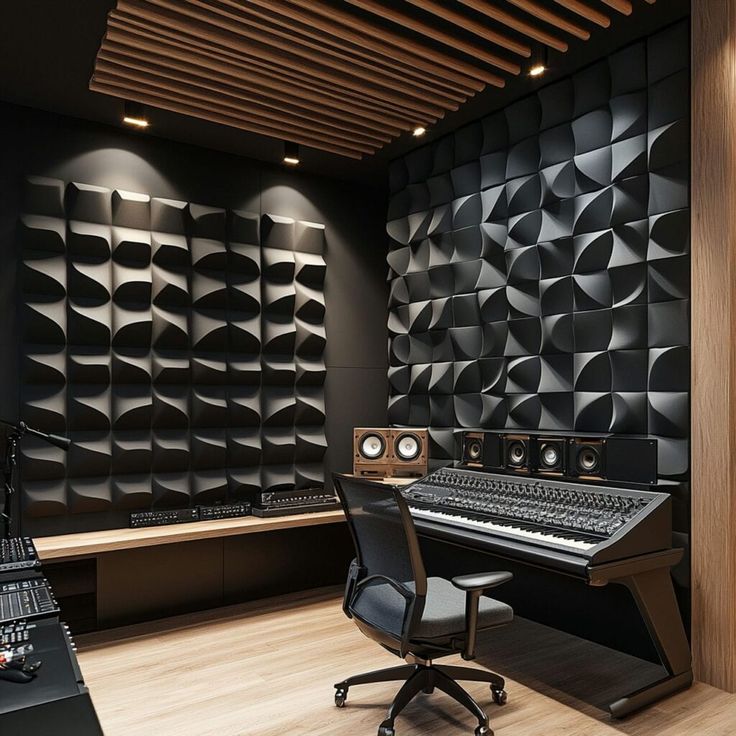
In the last decade, acoustics has become one of the fastest-growing segments of interior architecture. The rise of open offices, hybrid work models, dense urban environments and new research on the effects of noise on productivity have transformed acoustics from a secondary consideration into a primary design priority.
The Acoustic product line responds to this transformation with materials that combine:
-
High acoustic performance (absorption & diffusion)
-
Strong fire-safety certification
-
Sustainable and aesthetic design
Below — an in-depth analysis of how Acoustic shapes the future of interior environments.
Sound absorption: from traditional materials to new-generation acoustic structures
Sound absorption remains the core functional requirement for any acoustic material. While mineral wool, perforated panels and porous coatings were the standard for decades, the new generation of Acoustic products introduces enhanced performance with reduced thickness and improved structural efficiency.
Acoustic performance values:
-
αw up to 1.00 (maximum rating per EN ISO 11654)
-
NRC values 0.85–1.05
-
3D surfaces that combine absorption with diffusion
-
Excellent control of mid and high frequencies (250–4000 Hz)
Application areas:
-
open-plan offices
-
restaurants and hospitality interiors
-
schools and childcare buildings
-
conference halls, studios, auditoriums
-
residential living and entertainment areas
Modern interiors are no longer judged only by visuals — acoustic quality is equally important.
Fire classification: why EN 13501-1 has become essential
Stricter fire regulations across Europe have made proper classification a non-negotiable requirement in architectural design.
Acoustic fire ratings:
-
A2-s1,d0 – mineral acoustic boards
-
B-s1,d0 – high-quality PET panels
-
B-s2,d0 / C-s1,d0 – decorative and design-focused composite panels
Additional indicators:
-
s1 – very low smoke production
-
d0 – no flaming droplets
Fire classification ensures compliance with:
-
national building codes
-
BIM fire category modelling
-
certification for public buildings
-
insurance and safety standards
This makes Acoustic solutions suitable even for the most regulated environments.
Sustainability: recycled fibres and a reduced carbon footprint
Sustainability has moved from trend to requirement. More than 70% of EU architects now prefer materials made from recycled or natural sources.
Acoustic sustainability metrics:
-
PET panels: up to 60% recycled plastic
-
Mineral boards: fully recyclable stone fibre
-
Low formaldehyde emissions (E1)
-
CO₂-optimized manufacturing processes
-
Long service life (10–15+ years)
Environmentally responsible materials are now a decisive factor for large-scale projects — and Acoustic reflects this demand.
Design versatility: minimalism or parametric forms
Acoustic materials are no longer perceived as purely technical. They have evolved into architectural design tools that influence aesthetics as much as functionality.
Design directions in the Acoustic line:
-
3D patterns (Wave, Pyramid, Ribbed Depth)
-
geometric modules (hexagon, arc, stripe, grid)
-
high-volume panels for halls and stages
-
minimalist PET sheets for corporate interiors
-
ceiling clouds and spatial acoustic blocks
This versatility empowers architects to deliver both functional and expressive interior solutions.
Market trends for 2025: where the acoustic industry is heading
According to the European Acoustic Association’s outlook for 2025, three main directions dominate the market:
1. Modular systems
Flexible, movable and expandable acoustic solutions.
2. Digitalisation
BIM objects, acoustic simulation models and parametric planning tools.
3. Sustainability
Increased use of recycled and long-lasting materials.
The Acoustic product range aligns with all three, positioning the brand as a leader in modern acoustic innovation.
Acoustic products are not simply panels — they represent a comprehensive approach to sound control, fire safety and design quality.
As performance standards rise and design expectations evolve, Acoustic stands at the forefront of the industry, shaping how future spaces will sound and feel.